Timing Strategies for Effective Spider Control
Effective spider control requires strategic timing to ensure maximum results. Understanding seasonal patterns and environmental conditions can help determine the optimal periods for intervention.
Spiders are most active during warmer months, typically in late spring and summer, making these periods ideal for control measures.
High humidity and cluttered areas provide favorable habitats for spiders, increasing the need for control during damp seasons.
Applying control measures before peak activity can prevent infestations from establishing in residential and commercial spaces.
Regular inspections during early spring can identify early signs of spider activity, allowing for timely intervention.
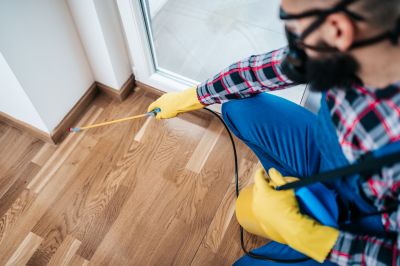
Increased activity during summer requires targeted control efforts to prevent infestations.

High humidity and cluttered spaces promote spider habitats, necessitating control measures.

Early interventions before peak season can effectively reduce spider populations.
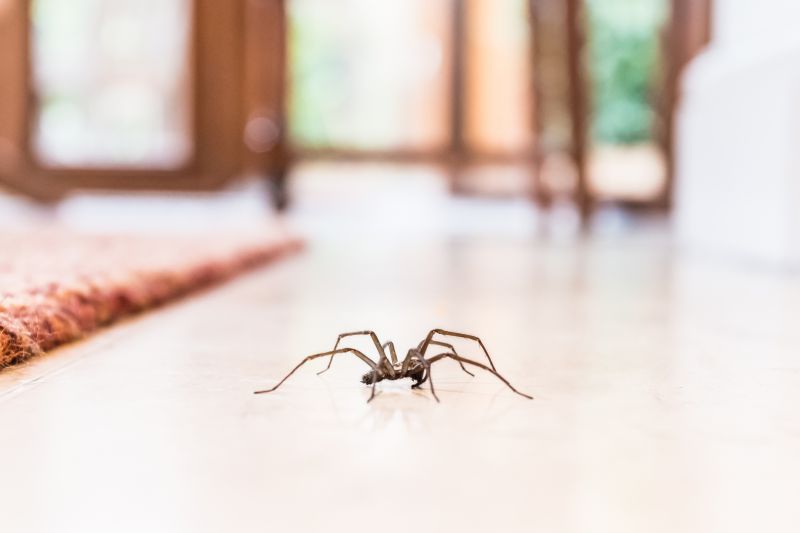
Ways to make Spider Controls work in tight or awkward layouts.

Popular materials for Spider Controls and why they hold up over time.
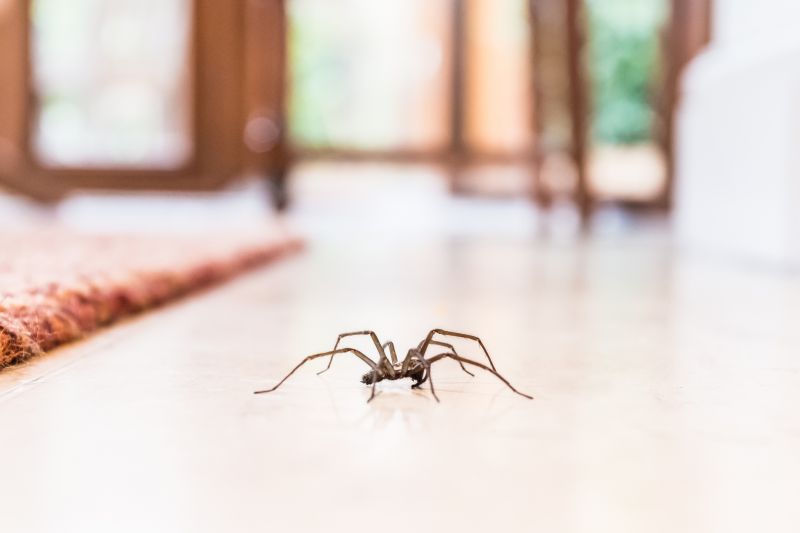
Simple add-ons that improve Spider Controls without blowing the budget.

High-end options that actually feel worth it for Spider Controls.

Finishes and colors that play nicely with Spider Controls.
| Timing Aspect | Recommendation |
|---|---|
| Spring | Conduct inspections and prepare for early control measures. |
| Late Spring to Early Summer | Implement targeted treatments during peak activity. |
| Late Summer | Monitor and reinforce control efforts. |
| Fall | Apply post-peak control to prevent overwintering. |
| Winter | Minimal activity; focus on habitat reduction. |
Spider controls involve a combination of habitat modification, exclusion techniques, and targeted treatments. Proper timing enhances the effectiveness of these methods, reducing the likelihood of infestations and minimizing the need for repeated interventions. Spiders tend to seek shelter indoors during colder months, but their activity peaks in warmer periods, making seasonal timing crucial for successful control.
Statistics indicate that proactive control during late spring and early summer can reduce spider populations by up to 80%. Regular inspections and timely treatments are essential components of an effective spider management strategy, especially in areas prone to high humidity and cluttered environments.

Specialized tools and treatments are used during peak seasons for effective results.
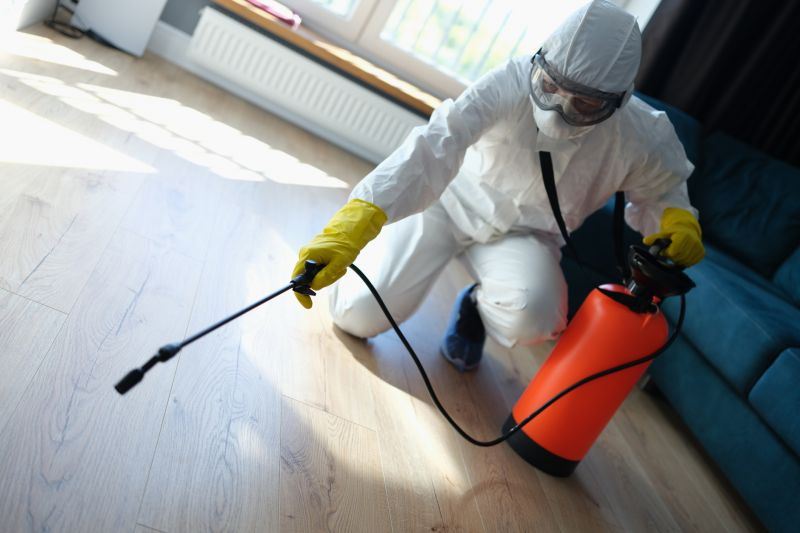
Indoor control efforts focus on sealing entry points and reducing indoor habitats.

Maintaining yard and exterior areas helps prevent spider ingress during active seasons.
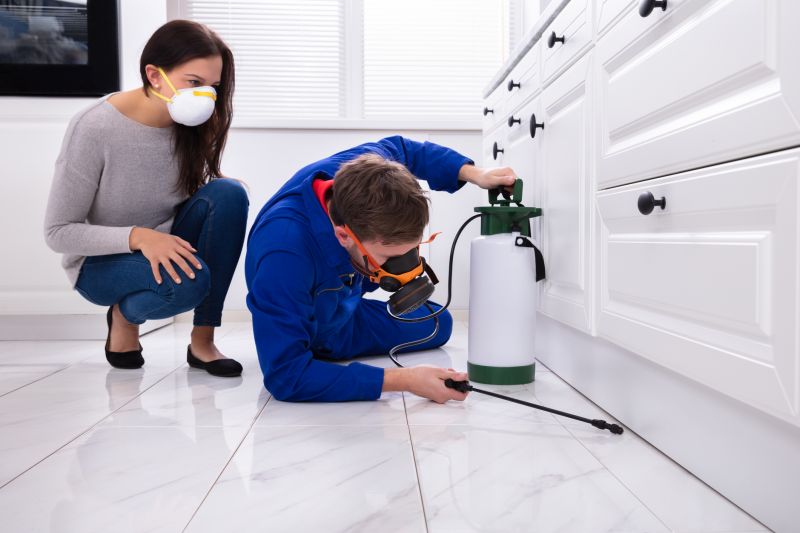
Experts utilize targeted treatments aligned with seasonal activity for best outcomes.

Little measurements that prevent headaches on Spider Controls day.

A 60-second routine that keeps Spider Controls looking new.

A frequent mistake in Spider Controls and how to dodge it.

Small tweaks to make Spider Controls safer and easier to use.
Interested in effective spider control solutions? Filling out the contact form can provide tailored advice and scheduling options to manage spider populations efficiently during the optimal times.