Spring Spider And Cricket Prevention Tips For Homeowners
Local service providers can help homeowners implement effective spring spider and cricket prevention strategies to keep pests out of their homes.
Homeowners preparing for the arrival of spring often seek effective ways to keep unwanted pests like spiders and crickets outside where they belong. This is a common concern in many neighborhoods, especially as warmer weather encourages these insects to become more active around homes. Exploring practical spring spider and cricket prevention tips can help property owners reduce the chances of infestations and enjoy a more comfortable living environment. Local contractors specializing in pest prevention are well-equipped to provide tailored solutions that address the unique needs of each property, ensuring effective and lasting results.
Understanding the best strategies for spring spider and cricket prevention can make a significant difference in maintaining a pest-free home. From sealing entry points to managing yard debris, there are many proactive steps homeowners can take. Connecting with experienced service providers in the area can help ensure these tips are implemented correctly and efficiently. Whether through routine inspections or targeted treatments, local experts can assist in creating an environment less inviting to these pests, giving homeowners peace of mind as the season changes. Keep reading to discover practical advice and how local professionals can support a pest-free spring.
- Spring spider and cricket prevention services - homeowners experiencing an increase in spider and cricket activity during spring can rely on local contractors to implement effective exclusion and barrier methods.
- Spring spider and cricket prevention services - when homeowners notice webs or cricket sounds around their property, local pros can assess entry points and apply targeted treatments to keep pests out.
- Spring spider and cricket prevention services - property owners seeking to reduce pest populations before they become a larger problem can work with local service providers to establish ongoing prevention strategies.
- Spring spider and cricket prevention services - those concerned about pests nesting in yard debris or around foundation areas can have local contractors perform inspections and recommend appropriate cleanup or barriers.
- Spring spider and cricket prevention services - homeowners preparing for seasonal pest activity may contact local pros to evaluate their property and suggest customized prevention solutions.

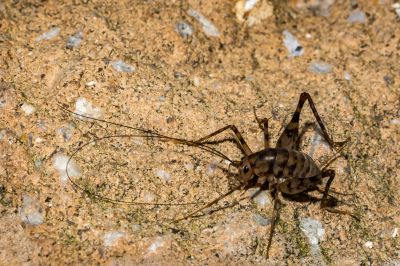
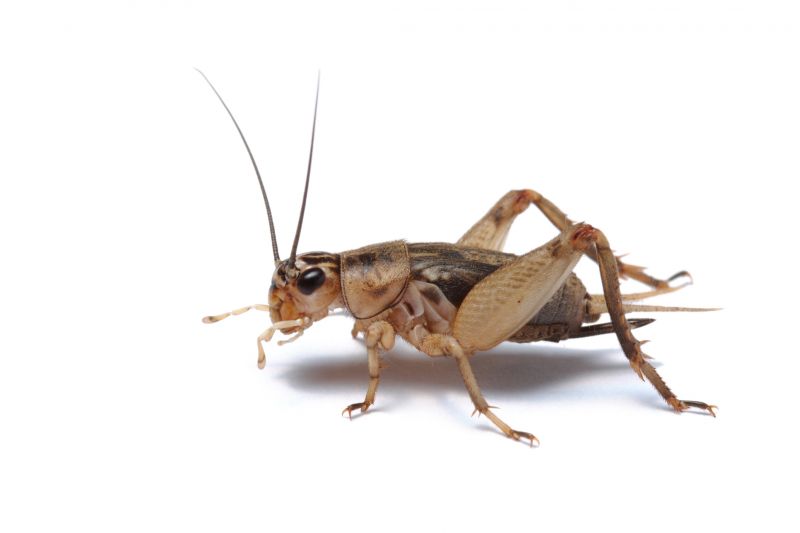
Spring is a common time for homeowners to start thinking about pest prevention, especially when it comes to spiders and crickets. These insects tend to become more active as temperatures warm up and outdoor conditions improve. When people search for spring spider and cricket prevention tips for homeowners, they are usually looking for practical ways to reduce the chances of these pests entering their homes or establishing nests nearby. This concern often relates to the annoyance of seeing webs or hearing cricket chirping, as well as the potential for spiders to invade living spaces. Many homeowners want to understand how to keep their properties pest-free during the spring months through effective, straightforward strategies.
The problems associated with spring spider and cricket activity often involve both nuisance and potential health concerns. Crickets can create noise that disrupts indoor or outdoor tranquility, while spiders may pose a concern for those wary of arachnid encounters or allergic reactions. These pests tend to gravitate toward properties with accessible entry points, such as gaps around doors and windows, or areas where debris and clutter provide shelter. The plans homeowners consider usually involve a combination of DIY prevention methods and professional services to ensure a comprehensive approach. Local service providers specializing in pest prevention can assess properties, identify vulnerabilities, and implement targeted solutions to reduce spider and cricket populations effectively.
Properties that typically come up in discussions of spring spider and cricket prevention include residential homes, especially those with yards, gardens, or sheds. Homes with abundant shrubbery, wood piles, or cluttered outdoor spaces are more likely to attract these pests. Additionally, properties with cracks in foundation walls, gaps around doors and windows, or poorly sealed vents are at higher risk of pest intrusion. Even newer constructions can be vulnerable if preventive measures are not in place. Homeowners often seek the assistance of local contractors who can perform inspections, recommend sealing strategies, and install barriers to keep spiders and crickets outside where they belong, helping maintain a pest-free living environment.
Understanding how spring spider and cricket prevention fits into real projects can clarify the value of professional help. Many local service providers offer tailored solutions that address the specific vulnerabilities of each property. These may include sealing entry points, removing debris and clutter, and applying targeted treatments to exterior areas. Homeowners benefit from expert advice on maintaining their properties to minimize pest activity during the active spring season. Connecting with local contractors who specialize in pest prevention can ensure that the necessary measures are integrated into a comprehensive plan, ultimately reducing the likelihood of pests becoming a persistent problem as the seasons change.
Gutter and Drainage System Repairs - proper maintenance of gutters and drainage can help prevent moisture buildup that attracts spiders and crickets, with local contractors offering services to improve these systems.
Home Sealing and Weatherproofing - sealing cracks and gaps in the foundation and walls reduces entry points for pests, and local service providers can assist with effective sealing solutions.
Exterior Pest Barrier Installation - installing barriers around the home can deter spiders and crickets from entering, with local pros providing expert placement and materials.
Yard Debris and Vegetation Management - clearing debris and managing vegetation reduces hiding spots for pests, and local contractors can assist with yard cleanup services.
Foundation and Basement Waterproofing - waterproofing helps eliminate excess moisture that attracts pests, with local service providers offering tailored waterproofing solutions.
Crack Repair and Structural Reinforcement - fixing structural vulnerabilities prevents pests from gaining access, and local pros can perform targeted repairs to secure the home’s exterior.

When evaluating service providers for spring spider and cricket prevention, it is important to consider their experience with similar projects. Homeowners should look for local contractors who have a proven track record in pest prevention, specifically addressing common springtime issues like spiders and crickets. Asking about past jobs or requesting references can provide insight into their familiarity with effective prevention techniques and their ability to handle the unique needs of different homes. A contractor with relevant experience is more likely to understand the best practices for keeping pests at bay during the spring season.
Clear and detailed written expectations are essential when selecting a local contractor for pest prevention services. Homeowners should seek providers who can articulate their approach, what treatments or preventative measures will be used, and what results can reasonably be expected. Having this information in writing helps ensure everyone is on the same page and reduces misunderstandings. It also provides a basis for evaluating whether the proposed services align with the homeowner’s concerns about spring spider and cricket issues, leading to a more informed decision.
Reputable references and good communication are key factors to consider when comparing local service providers. Homeowners should inquire about references from previous clients who had similar pest prevention needs, especially during spring. Positive feedback can indicate a contractor’s reliability and effectiveness. Additionally, the ability of a provider to communicate clearly and promptly respond to questions demonstrates professionalism and a commitment to customer service. Choosing a contractor who values transparency and keeps the homeowner informed can lead to a smoother, more satisfactory experience in implementing spring spider and cricket prevention strategies.
Property owners often search for spring spider and cricket prevention tips for homeowners when they are planning practical projects around their homes and businesses. Local pros provide Spring Spider And Cricket Prevention services for everyday jobs and straightforward project options.

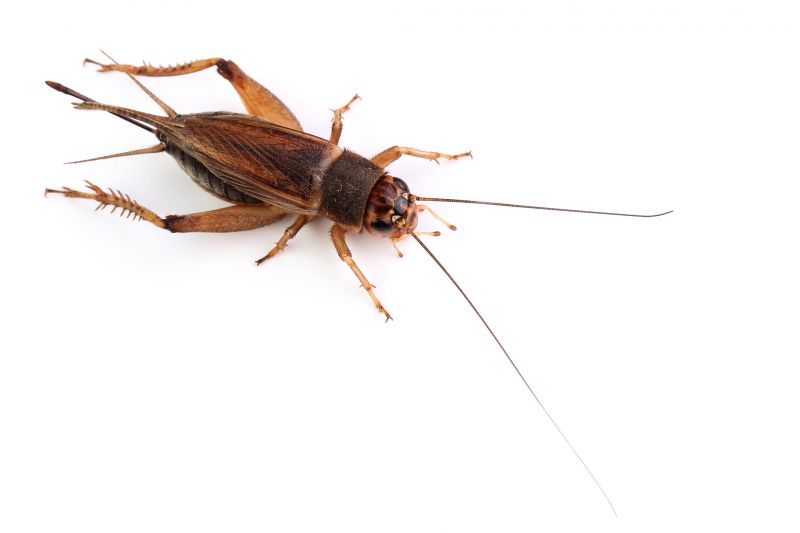
As the weather warms up in the spring, homeowners often find themselves dealing with an increase in spiders and crickets around their properties. These pests are attracted to the outdoor environment and can quickly find their way inside if proper preventive measures aren’t taken. Simple steps like sealing cracks, removing debris, and managing yard vegetation can make a noticeable difference. Many property owners look up spring spider and cricket prevention tips for homeowners to learn how to minimize these unwelcome visitors and maintain a comfortable living space.
For those seeking a more comprehensive approach, local contractors and service providers offer professional pest prevention services that can address these concerns effectively. These experts can evaluate the property’s specific needs and implement tailored strategies to keep spiders and crickets at bay throughout the season. Engaging with experienced local professionals can be a practical way to ensure that prevention efforts are thorough and long-lasting, helping homeowners enjoy a pest-free spring and summer.
What are effective spring spider and cricket prevention tips for homeowners? Homeowners can reduce spider and cricket issues by sealing cracks, removing debris, and keeping outdoor lights to a minimum. Local contractors can assist with sealing entry points and implementing targeted treatments to prevent infestations.
How can I prevent spiders and crickets from entering my home during spring? Ensuring windows and doors are properly sealed, trimming back vegetation, and removing clutter around the home can help. Local service providers offer inspection and exclusion services to block common entry points.
Are there specific outdoor maintenance practices to deter spiders and crickets in spring? Regular yard cleanup, removing standing water, and maintaining a tidy landscape can reduce habitats. Professionals can provide advice on landscaping and barrier installation to keep pests out.
What role do outdoor lighting and landscaping play in spring pest prevention? Using yellow or sodium vapor lights and maintaining a clear perimeter can minimize attracting pests. Local pest prevention experts can recommend and install effective outdoor lighting and barriers.
How can a pest prevention service help with spring spider and cricket issues? Service providers can perform inspections, identify entry points, and apply treatments or barriers to reduce pest activity, helping homeowners maintain a pest-free environment during spring.
Seal entry points - identifying and sealing gaps around windows, doors, and foundations can prevent spiders and crickets from entering the home, with local contractors providing expert sealing services.
Reduce yard clutter - removing debris, leaves, and overgrown plants creates less habitat for pests, and local pros can assist with yard cleanup and landscaping adjustments.
Maintain outdoor lighting - using targeted lighting away from entryways can deter pests, while local service providers offer lighting assessments and adjustments to minimize attraction.
Implement barrier treatments - applying pest control barriers around the home’s perimeter helps keep spiders and crickets out, with local pest control experts providing effective treatment options.
If you are thinking about spring spider and cricket prevention tips for homeowners for a property, this guide is meant to help you understand this topic, the typical project types, and how different options might fit your plans.
When you are ready, you can use the quote form on this page to share a few details about your project. From there, local pros can review the basics and follow up with options that match what you have in mind.