Get Residential Pest Control
Residential pest control services help property owners eliminate and prevent infestations of insects, rodents, and other pests through targeted treatments and inspections.
Residential pest control services are an important consideration for property owners seeking to maintain a safe and comfortable living environment. Whether dealing with common household pests or preparing for seasonal infestations, exploring local contractors can help identify effective solutions tailored to specific needs. Planning a pest management project involves comparing options to find experienced service providers who understand the unique challenges of the local area, ensuring the job is handled properly.
Property owners interested in pest control often look for trusted local contractors to address ongoing concerns or prevent future issues. By exploring available services in the area, homeowners can find professionals equipped to manage pests efficiently and discreetly. Continuing to read can provide valuable insights into how local experts can support maintaining a pest-free home.
- Ant Pest Control - needed when ants invade kitchens, basements, or outdoor areas around a home.
- Bed Bug Treatment - required after discovering bed bugs in bedrooms or furniture.
- Rodent Removal - necessary when mice or rats are spotted inside or around a residence.
- Termite Control - essential if signs of termite activity, such as wood damage or mud tubes, are present.
- Spider Extermination - sought when spiders become a frequent nuisance in living spaces or entry points.

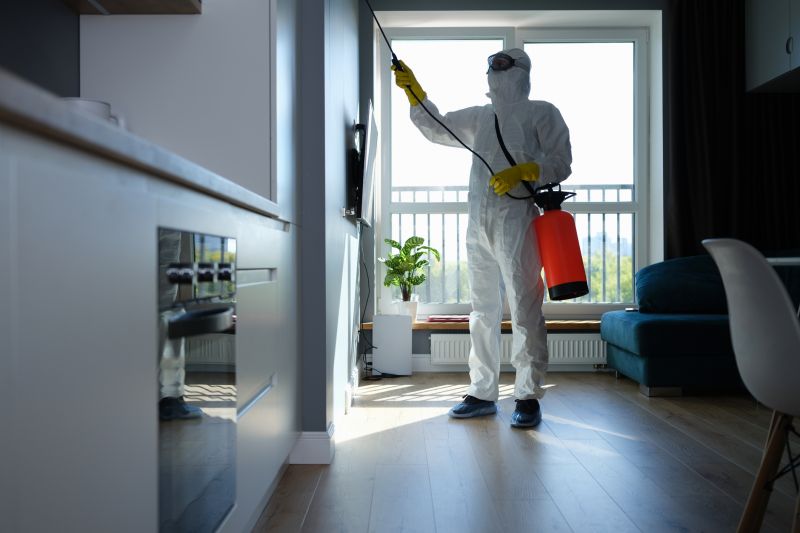
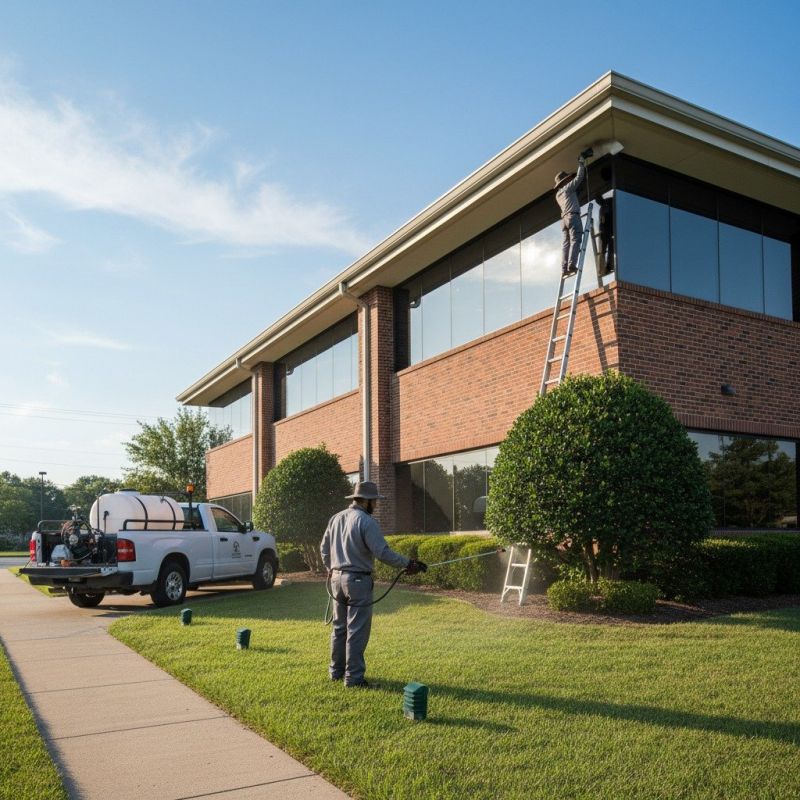
Residential pest control services involve professional treatments designed to eliminate and prevent common household pests. These services typically include thorough inspections to identify pest activity and entry points, followed by targeted treatments using safe and effective methods. The goal is to create a pest-free environment inside and around the home, helping homeowners maintain a comfortable and healthy living space. Service providers often tailor their approach based on the specific pests present and the layout of the property, ensuring comprehensive coverage and long-lasting results.
These services help address a variety of common problems, such as infestations of ants, cockroaches, spiders, bed bugs, termites, and rodents. Pests can cause property damage, contaminate food supplies, and pose health risks to residents. Residential pest control is especially useful when signs of pest activity appear-such as droppings, gnaw marks, or unusual noises-or when homeowners want to prevent potential infestations before they become serious. Regular treatments can also help maintain ongoing protection, particularly in areas prone to pest issues due to climate or nearby vegetation.
Properties that typically use residential pest control services include single-family homes, apartment complexes, condominiums, and townhouses. These services are suitable for homes of all sizes, from small apartments to large estate properties. Homes with basements, crawl spaces, or garages often benefit from targeted treatments since these areas can serve as entry points or hiding spots for pests. Additionally, properties located near wooded areas, water sources, or other natural habitats may experience more frequent pest activity, making professional pest control a practical choice for ongoing protection.
Homeowners who notice signs of pests or want to prevent future problems can contact local service providers to explore treatment options. These professionals can assess the specific needs of each property and recommend appropriate solutions to keep pests at bay. Whether dealing with an active infestation or seeking preventative care, connecting with experienced local contractors ensures that the property receives effective and tailored pest management services designed to suit the home's unique environment.
The overview below groups typical Residential Pest Control projects into broad ranges so you can see how smaller, mid-sized, and larger jobs often compare in your area.
In many markets, a large share of routine jobs stays in the lower and middle ranges, while only a smaller percentage of projects moves into the highest bands when the work is more complex or site conditions are harder than average.
Smaller Repairs - Typical costs for routine pest control treatments, such as monthly or quarterly services, range from $250 to $600 for many smaller jobs. Most projects in this range involve standard issues like ants or spiders and are common among local contractors.
Initial Inspection - A comprehensive inspection of a residential property usually costs between $150 and $300. Many homeowners pay within this range when addressing initial pest concerns or assessing infestations.
Targeted Treatments - For specific pest issues like bed bugs or termites, local service providers often charge between $500 and $2,500 depending on the severity and size of the property. Larger or more complex infestations can push costs higher, but most projects fall into the mid-range.
Full Property Extermination - Complete extermination or extensive pest control projects can reach $3,000 or more for larger homes or severe infestations. While these higher costs are less common, they are typical for complex or multi-issue treatments.
Actual totals will depend on details like access to the work area, the scope of the project, and the materials selected, so use these as general starting points rather than exact figures.
Wildlife Exclusion Projects - local contractors often handle wildlife removal and exclusion methods similar to pest control, requiring planning and use of specialized tools.
Termite Inspection and Treatment - these services involve identifying and eliminating infestations, utilizing inspection techniques and chemical treatments akin to residential pest management.
Rodent Control Services - addressing rodent infestations involves trapping, baiting, and sealing entry points, skills that overlap with general pest control strategies.
Mosquito Control Programs - controlling mosquito populations requires knowledge of breeding sites and application of targeted treatments, similar to pest prevention methods.
Bed Bug Detection and Removal - this project involves inspection, treatment planning, and application of removal techniques comparable to residential pest services.
General Pest Management Consulting - providing advice on pest prevention and control strategies involves planning and knowledge-sharing skills used across various pest-related projects.
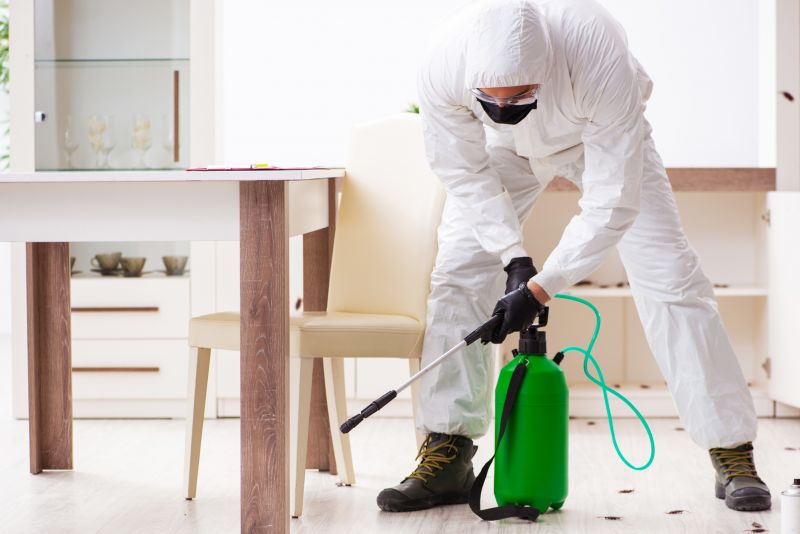
When comparing residential pest control service providers, it’s important to consider their experience with similar projects. Homeowners should look for local contractors who have a track record of successfully handling pest issues common to the area. An experienced service provider can better identify the root causes of infestations and recommend appropriate treatment methods. Asking about the types of pests they have managed in the past and the complexity of those jobs can provide insight into their familiarity with local challenges and their ability to deliver effective solutions.
Clear, written expectations are essential when evaluating potential service providers. Homeowners should seek detailed descriptions of the scope of work, including treatment procedures, follow-up protocols, and any guarantees or warranties offered. Having this information in writing helps ensure that both parties are aligned on what will be done and what to expect from the service. Clear communication reduces misunderstandings and provides a basis for evaluating the professionalism and transparency of the contractor.
Reputable references and good communication are key indicators of a reliable local contractor. Homeowners can request references from past clients who had similar pest issues to gauge the quality of work and customer satisfaction. Additionally, responsive and transparent communication during the inquiry process can reflect how the service provider will handle ongoing questions or concerns. It’s important to choose local pros who demonstrate professionalism, provide thorough information, and are willing to address any questions, ensuring a smooth and trustworthy experience throughout the pest control process.
Property owners use Residential Pest Control services for practical projects around their homes and businesses. This guide focuses on everyday jobs and straightforward project options.
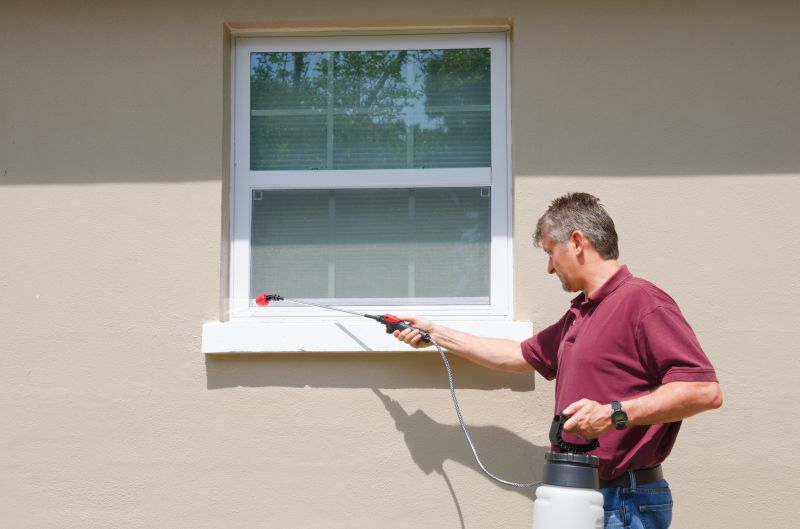
Residential pest control services are often needed when property owners notice unwanted insects or rodents around their homes. Common situations include seeing signs of pests in kitchens, basements, or attics, or experiencing an increase in activity that suggests an infestation. Local contractors can provide treatments to address these issues, helping to maintain a safe and comfortable living environment.
Homeowners may also seek pest control services in preparation for events or when moving into a new property. Regular maintenance to prevent pests from establishing themselves is another reason property owners look for local service providers. These professionals can assess the property, identify potential problem areas, and implement solutions to keep pests at bay.
What types of pests can residential pest control services handle? Local contractors typically address common household pests such as ants, cockroaches, spiders, rodents, and termites, among others.
Are residential pest control treatments safe for children and pets? Many service providers use treatments that are designed to be safe for homes with children and pets, but it’s best to contact local pros to discuss specific concerns.
How often should pest control services be scheduled for residential properties? The frequency of treatments depends on the type of pests and the property's condition; local service providers can recommend an appropriate schedule.
Can residential pest control services eliminate pests permanently? While local contractors aim to remove pests effectively, ongoing prevention and maintenance may be necessary to keep pests from returning.
What should homeowners do before a pest control treatment? It’s generally advised to clear the area of clutter and food items; specific instructions can be provided by local service providers during the booking process.
Preventative Pest Control - Regular treatments can help keep common household pests from becoming a problem before they enter the home.
Termite Inspection Services - Property owners can schedule inspections to identify early signs of termite activity and protect structural integrity.
Rodent Control Solutions - Professionals can assist with removing rodents and sealing entry points to prevent future infestations.
Spider and Insect Management - Service providers can help reduce the presence of spiders and other insects around the property for a safer living environment.
If you are thinking about Residential Pest Control for a property, this guide is meant to help you understand the work, the typical project types, and how different options might fit your plans.
When you are ready, you can use the quote form on this page to share a few details about your project. From there, local pros can review the basics and respond with options that match what you have in mind.